Non-Alcoholic Wine vs. Grape Juice: What's the Difference?
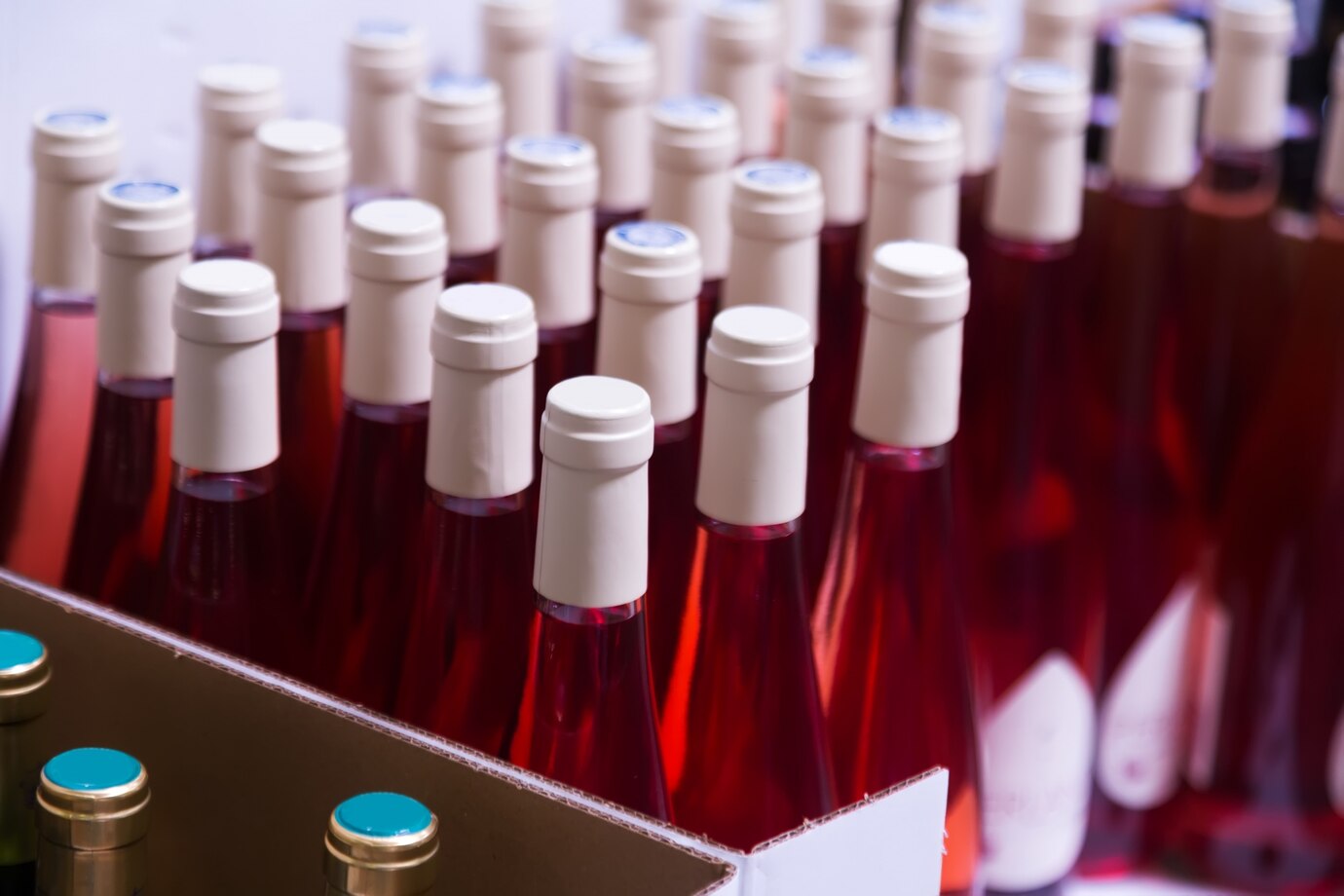
In recent years, there has been a significant shift towards non-alcoholic beverages, driven by health-conscious individuals, those avoiding alcohol for personal or lifestyle reasons, and wine enthusiasts seeking alternatives that don't compromise on taste. The rise of non-alcoholic wine has particularly caught attention, offering a sophisticated drinking experience without the alcohol.
However, many people find themselves wondering about the differences between non-alcoholic wine and grape juice. Both beverages derive from grapes but have distinct production processes and flavor profiles. This article aims to look at these differences, exploring their production, taste, health benefits, and culinary uses.
Production Process: Non-Alcoholic Wine vs. Grape Juice

Non-Alcoholic Wine Production
Non-alcoholic wine is produced similarly to traditional wine, starting with the selection and harvesting of grapes. The grapes undergo a fermentation process, which converts the sugars into alcohol, developing the complex flavors and aromas associated with wine. After fermentation, the alcohol is removed using techniques such as distillation or filtration, resulting in a beverage with less than 0.5% ABV. This process retains the depth and complexity of traditional wine, making non-alcoholic wine a popular choice for those who enjoy the taste of wine without the alcohol.
Grape Juice Production
Grape juice, on the other hand, is made by crushing grapes to extract their juice, which is then pasteurized to kill bacteria and extend shelf life. Some manufacturers may add sugar or preservatives to enhance flavor and longevity. Unlike wine, grape juice does not undergo fermentation, preserving its natural sweetness and fresh grape flavor.
Taste and Flavor Profile: A Comparative Analysis

Non-Alcoholic Wine Taste
The fermentation process in non-alcoholic wine production contributes to a complex and nuanced flavor profile, similar to traditional wine. This includes notes of fruit, spices, and sometimes oak, depending on the aging process. The absence of alcohol does not diminish the sophisticated taste experience, making it appealing to wine enthusiasts.
Grape Juice Taste
Grape juice offers a straightforward, sweet taste with a pronounced fresh grape flavor. It lacks the complexity of wine due to the absence of fermentation, making it a refreshing choice for those who prefer simplicity.
Comparison
While both beverages offer a grape flavor, non-alcoholic wine provides a more sophisticated and complex taste experience due to its fermentation process. Grape juice, however, is ideal for those seeking a sweet and straightforward drink.
Health Benefits: Non-Alcoholic Wine vs. Grape Juice
Non-Alcoholic Wine Benefits
Non-alcoholic wine can offer several health benefits, including lower sugar content compared to some grape juices, especially if minimal sugar is added during production. It also retains antioxidants found in grapes, which can contribute to overall health.
Grape Juice Benefits
Grape juice is rich in antioxidants and can provide health benefits such as boosting immune function and potentially lowering heart disease risk factors. However, it often contains higher levels of sugar, both naturally and added during manufacturing, which can be a drawback for health-conscious consumers.
Comparison
In terms of health benefits, non-alcoholic wine may be a better choice for those monitoring sugar intake, while grape juice offers antioxidant benefits but with higher sugar content.
Cooking with Non-Alcoholic Wine and Grape Juice
Non-Alcoholic Wine in Cooking
Non-alcoholic wine can enhance dishes with its complex flavor profile, similar to traditional wine. It is suitable for marinades, sauces, and braising liquids, adding depth without the alcohol content.
Grape Juice in Cooking
Grape juice can be used as a sweetener and flavor enhancer in cooking. It works well in desserts or as a marinade when combined with vinegar to reduce sweetness and enhance acidity.
Comparison
For dishes requiring a sophisticated flavor profile, non-alcoholic wine is preferable. For sweet dishes or when a straightforward grape flavor is desired, grape juice is more suitable.
Conclusion: Choosing the Right Beverage for You

In conclusion, non-alcoholic wine and grape juice cater to different preferences and needs. Non-alcoholic wine offers a complex taste experience with potential health benefits, while grape juice provides a sweet and refreshing option rich in antioxidants. Whether you're a wine enthusiast, health-conscious individual, or simply curious about non-alcoholic beverages, understanding these differences can help you make informed choices.
If you're looking to enjoy the taste of wine without the alcohol, consider exploring non-alcoholic wine options. Visit www.sipyours.com to discover a range of delicious non-alcoholic wines that capture the essence of traditional wine without the hangover.
Frequently Asked Questions
Is non-alcoholic wine just grape juice?
Not all of it. Real non-alcoholic wine starts as fermented wine and has the alcohol removed — the tannins, dry structure, and polyphenolic compounds from fermentation remain. But many non-alcoholic wine brands add grape juice concentrate back after dealcoholization to restore volume, which means those products contain grape juice and taste like it. Check the ingredients list: if grape juice concentrate appears, you know.
What is the difference between grape juice and dealcoholized wine?
The difference is fermentation. Grape juice is pressed grapes that were never fermented. Dealcoholized wine is a fully fermented wine that had the alcohol removed afterward. Fermentation creates tannins, esters, polyphenols, and the dry structure that makes wine taste like wine — none of those compounds are present in grape juice because fermentation never happened.
Does non-alcoholic wine have antioxidants like real wine?
A properly dealcoholized wine retains significant polyphenolic compounds including resveratrol, which are the antioxidants present in red wine. Research on dealcoholization methods found that techniques like spinning cone column preserve these compounds reasonably well. Grape juice also contains polyphenols, but the specific compound profile is different from fermented and dealcoholized wine.
Why does some non-alcoholic wine taste like grape juice?
Because some of it is, technically. After dealcoholization, many producers add grape juice concentrate to restore the volume and body that alcohol removal takes away. That added concentrate brings sugar, which overwhelms the tannic structure that survived fermentation. The result tastes sweet and flat — exactly like grape juice. Check the nutrition label: if the product runs over 30 calories per glass or lists grape juice concentrate in ingredients, that is likely what you are tasting.
How can I tell if my non-alcoholic wine is really wine?
Three checks: (1) Ingredients list — if grape juice concentrate or concentrated grape must appears, the producer added it post-dealcoholization; (2) Calories — under 20 per glass means no significant added concentrate; over 30 per glass is a signal; (3) Label language — look for 'dealcoholized wine' rather than 'wine-style beverage' or 'alcohol-removed.' These three checks take about ten seconds and tell you more than anything on the front label.