Non-Alcoholic Wine Glassware: Stem, Tumbler, or Coupe?
Introduction: The Rise of Non-Alcoholic Wine
Non-alcoholic wine is becoming more popular as people look for healthier drink options. The global market for non-alcoholic wine is growing fast. It's expected to be worth $6.94 billion by 2034, growing by 10.4% each year. This means it's important to know how to serve and enjoy non-alcoholic wines properly.
Just like regular wines, non-alcoholic wines taste better when served in the right glasses. Let's learn about the best glasses for non-alcoholic wines and how they can make your drink taste even better.
Key Points: Non-Alcoholic Wine Market
- Global market value expected to reach $6.94 billion by 2034
- Annual growth rate of 10.4% from 2024 to 2034
- North America to account for 26.1% of market share in 2024
- US market projected to grow at 11.1% CAGR, reaching $1.36 billion by 2034
- Japan's market expected to grow at 12% CAGR, reaching $352.4 million by 2034
- Low-alcohol wine more popular than alcohol-free versions
- Still wine in higher demand than sparkling varieties
Understanding Non-Alcoholic Wine
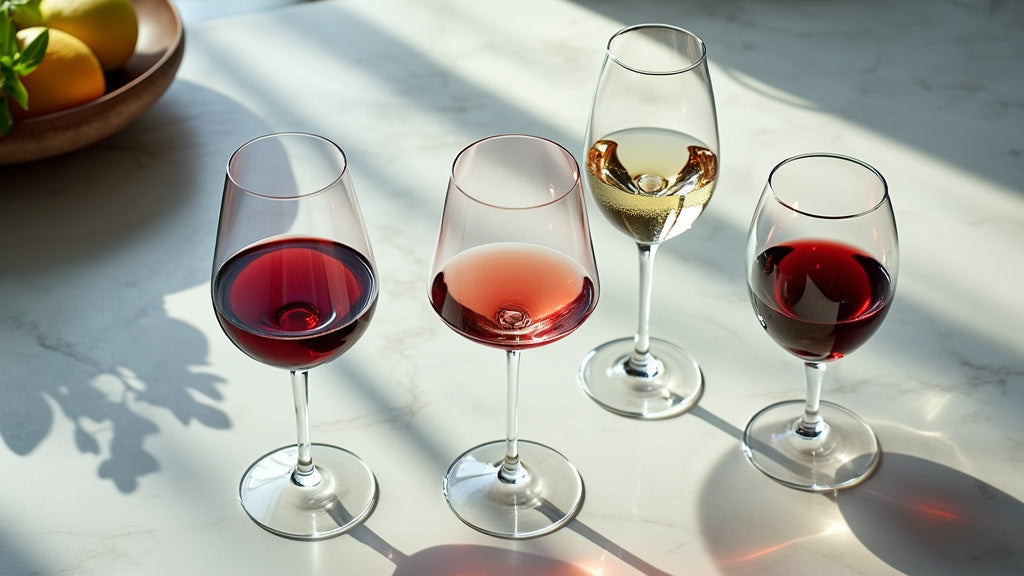
Non-alcoholic wine is made just like regular wine, but the alcohol is taken out. This leaves a drink that tastes like wine but doesn't have alcohol. There are different types of non-alcoholic wines, including reds, whites, and sparkling ones. Each type tastes better in certain kinds of glasses.
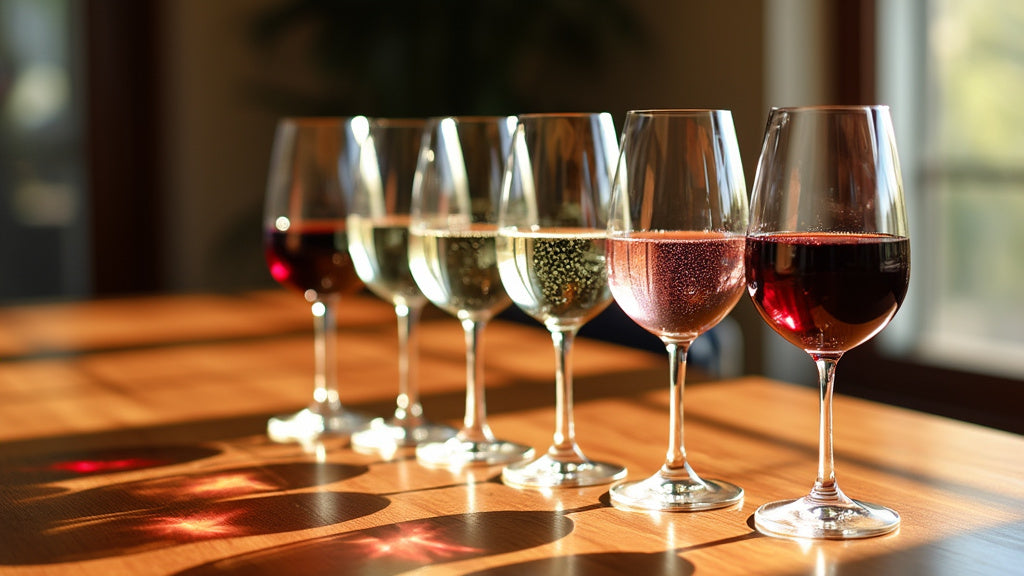
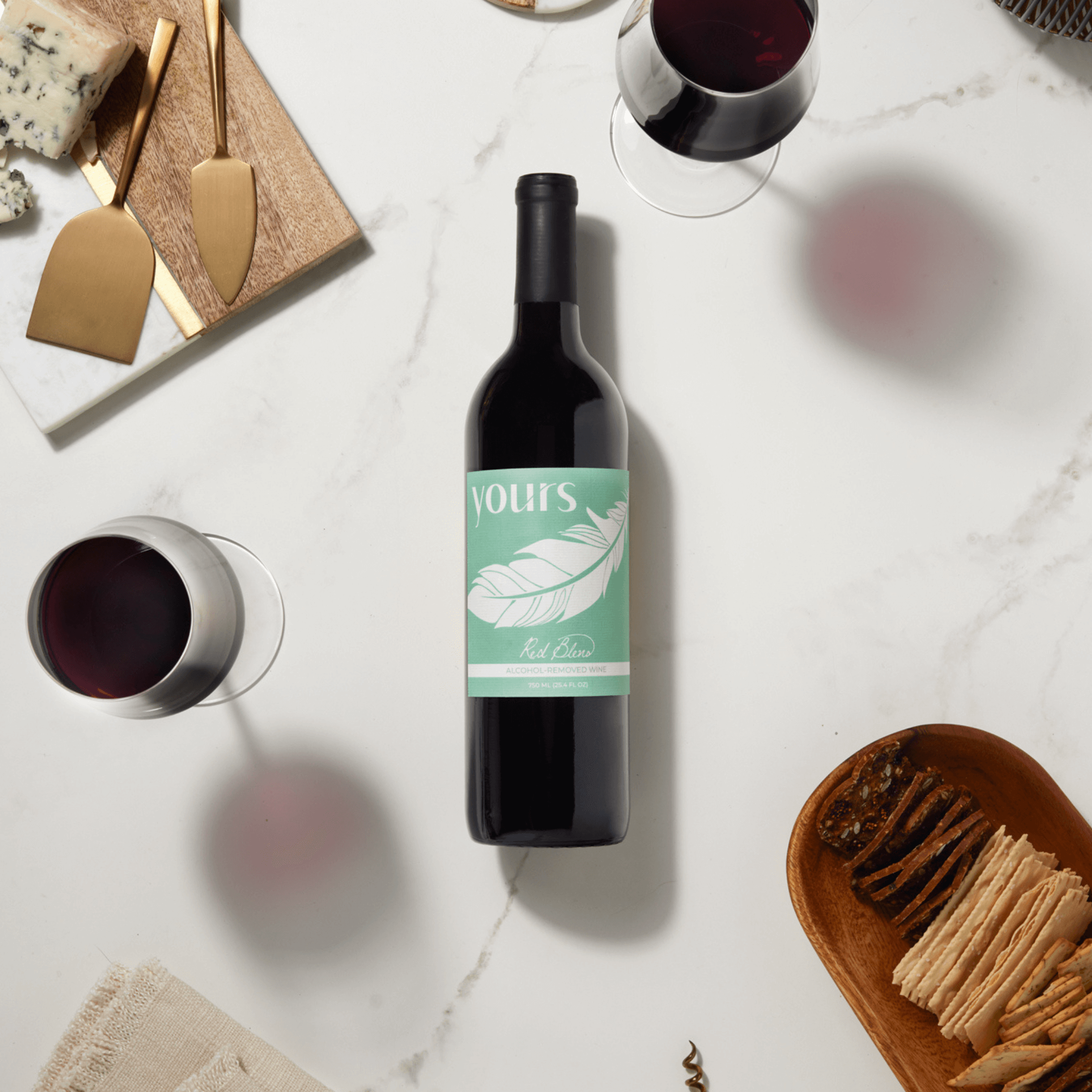
Non-alcoholic wines come in many flavors, just like regular wines.

Why Glasses Matter for Non-Alcoholic Wine
The shape and size of a wine glass can change how the wine tastes and smells. The right glass can:
- Make the wine smell stronger
- Direct the wine to the right part of your tongue
- Keep the wine at the right temperature
- Show off the wine's color
- Let you swirl the wine to release its smell
Suitability of Wine Glass Types for Non-Alcoholic Wines
Red Wine Glasses for Non-Alcoholic Varieties
Even though non-alcoholic red wines don't have alcohol, they still taste better in glasses made for red wine. Here are some options:
Bordeaux Glasses
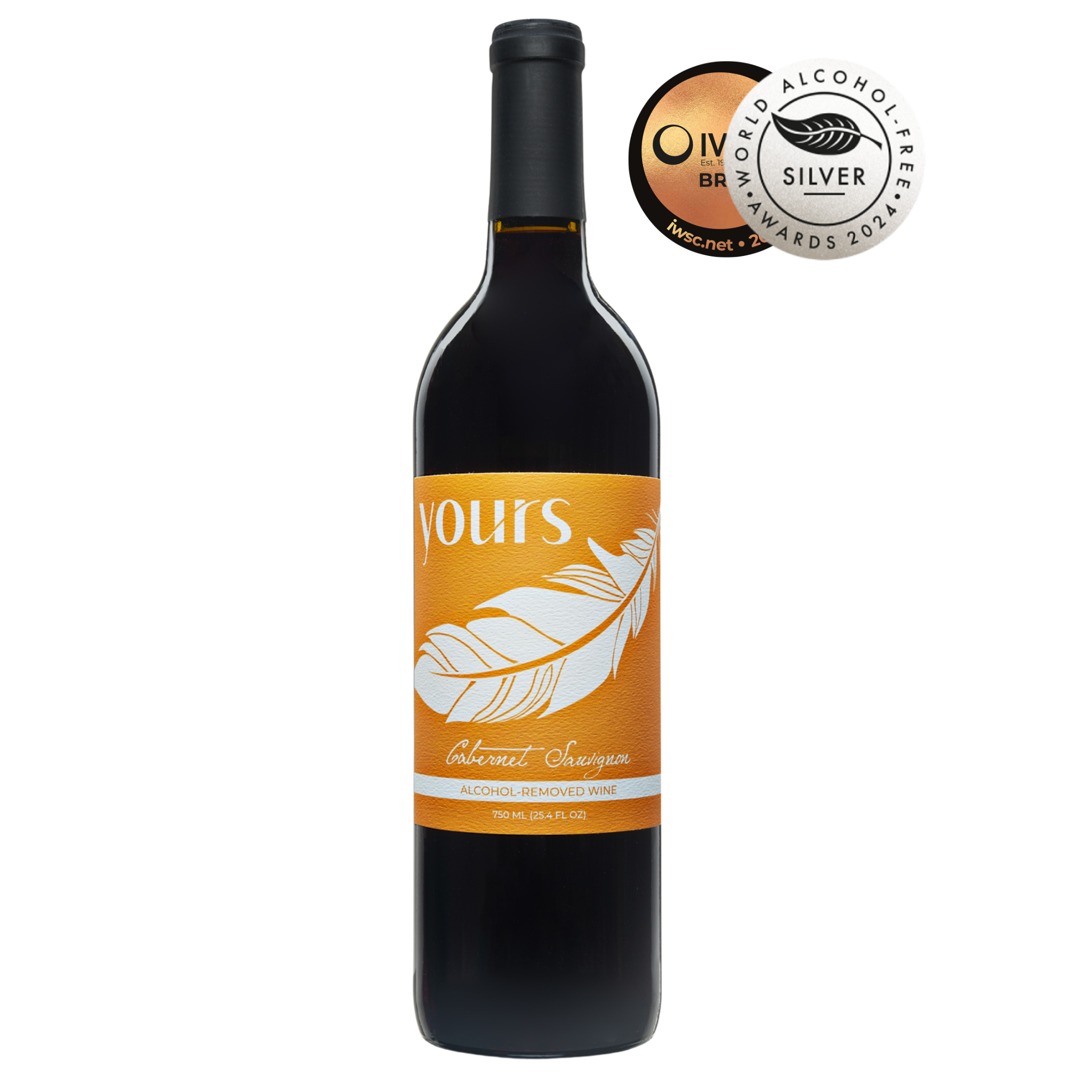
Bordeaux glasses are tall with a wide bowl. They're great for full-bodied non-alcoholic reds like Cabernet Sauvignon. The large bowl helps the wine breathe and develop its flavors.
Burgundy Glasses
Burgundy glasses have a wider bowl that gets narrower at the top. They're good for lighter non-alcoholic reds. The shape helps you smell the wine better and directs it to the tip of your tongue.
Universal Red Wine Glasses
If you don't want to buy many different glasses, a universal red wine glass is a good choice. It works well with many types of red wines, including non-alcoholic ones.
White Wine Glasses for Non-Alcoholic Options
Non-alcoholic white wines also need the right glasses. Here are some options:
Chardonnay Glasses
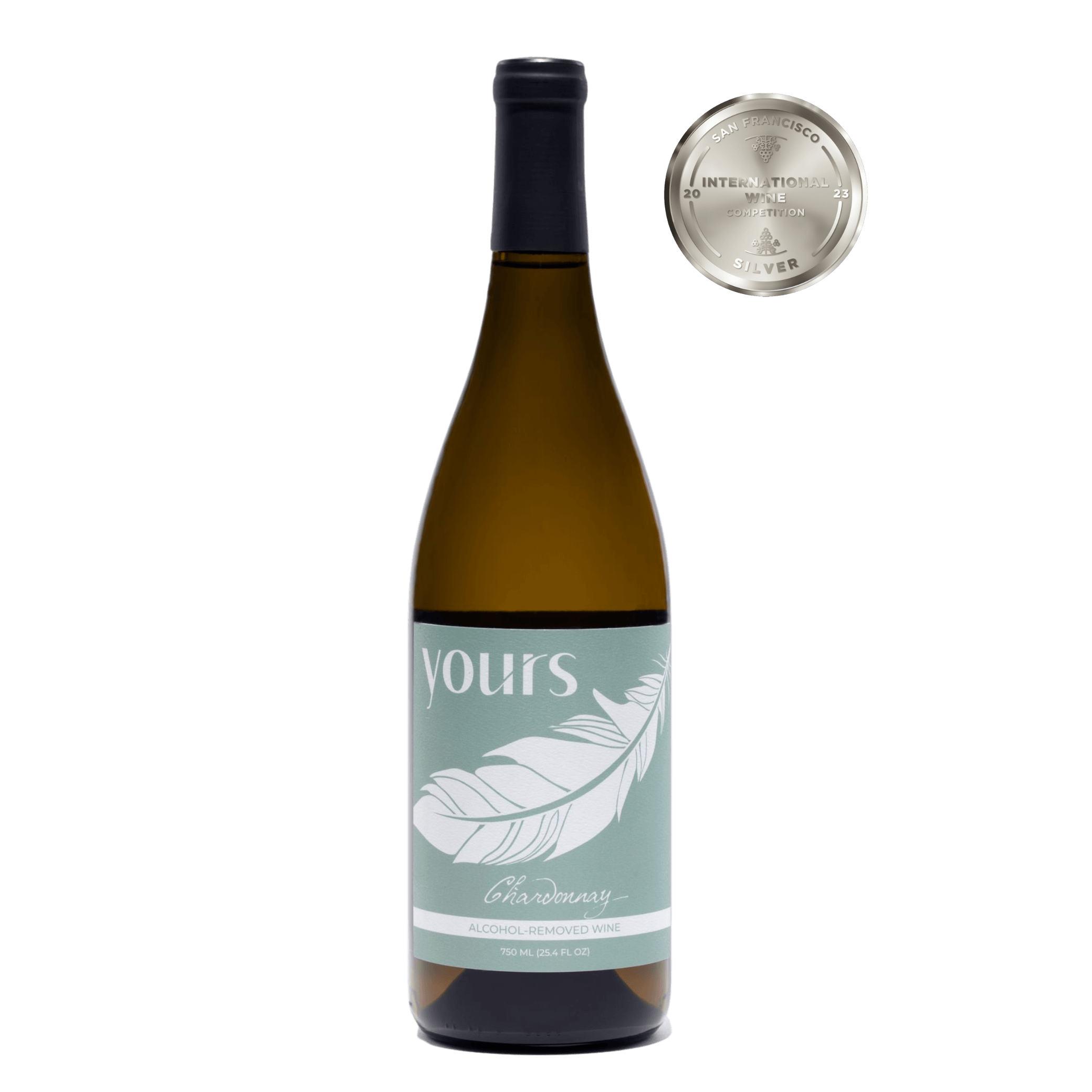
Chardonnay glasses have a wide bowl that gets a bit narrower at the top. This shape is good for non-alcoholic Chardonnay. It helps you taste the creamy texture and balances the wine's acidity.
Sauvignon Blanc Glasses
Sauvignon Blanc glasses are taller and narrower than Chardonnay glasses. This shape keeps the wine crisp and helps you smell its fruity aromas.
Riesling Glasses
Riesling glasses have a long stem and a smaller bowl that gets narrower at the top. This design helps you smell the floral aromas and keeps the wine cool.
Sparkling Non-Alcoholic Wine Glasses
Sparkling non-alcoholic wines need special glasses. Here are the main options:
Flutes
Flutes are tall and narrow. They keep the bubbles in the wine and make it look pretty. The narrow opening helps you smell the wine better.
Tulip Glasses
Tulip glasses have a wider bowl that gets narrower at the top. Many wine experts like these glasses for both alcoholic and non-alcoholic sparkling wines. They let you smell the wine better while keeping the bubbles.
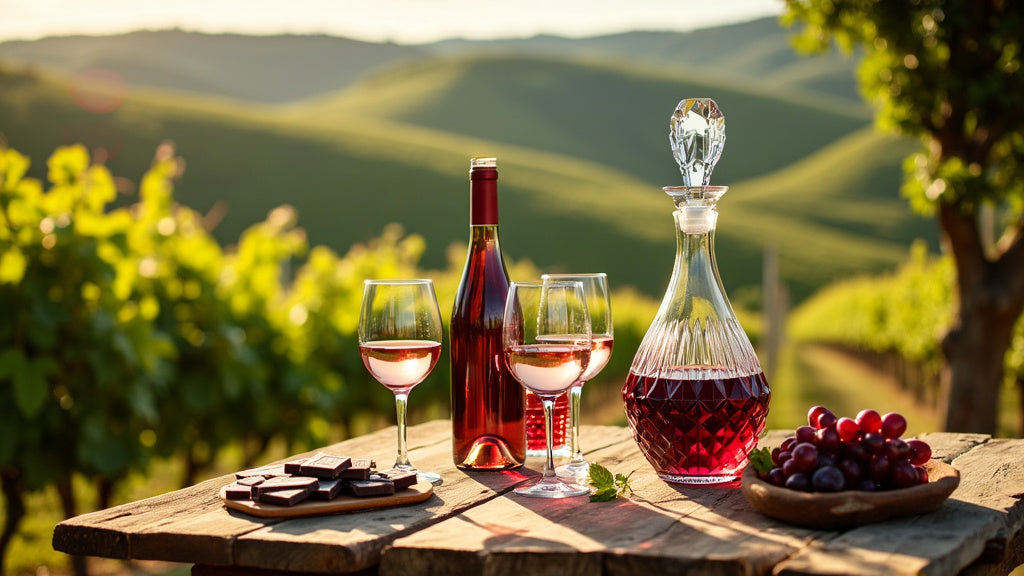
Coupe Glasses
Coupe glasses are wide and shallow. They don't keep bubbles as well, but some people like how they look. They're good for making your drink look fancy.
Versatile Glassware Options
If you want glasses that work for different types of non-alcoholic wines, try these:
All-purpose Wine Glasses
All-purpose wine glasses work well for both red and white wines. They're a good choice if you like different types of non-alcoholic wines but don't want to buy many glasses.
Stemless Glasses
Stemless glasses are modern and casual. They work for both red and white non-alcoholic wines. Remember that holding the glass might warm up the wine faster.
Outdoor-friendly Options
For picnics or outdoor parties, try glasses made from materials that don't break easily, like plastic or stainless steel. Look for ones shaped like regular wine glasses to keep the drinking experience similar.
Material Matters: Glass vs. Crystal
When choosing your non-alcoholic wine glasses, you can pick between glass and crystal. Here's how they compare:
| Feature | Glass | Crystal |
|---|---|---|
| Cost | More affordable | More expensive |
| Durability | More durable | More fragile |
| Clarity | Less clarity | Better clarity |
| Wall Thickness | Thicker walls | Thinner walls |
| Dishwasher Safe | Yes | Often no |
| Lead Content | Lead-free | Can be lead-free |
Glass
Pros: - Cheaper - Can go in the dishwasher - Stronger Cons: - Thicker walls - Not as clear
Crystal
Pros: - Thinner walls - Clearer - Can be made without lead Cons: - More expensive - Often needs to be washed by hand - Breaks more easily
Taking Care of Your Non-Alcoholic Wine Glasses
To keep your non-alcoholic wine glasses in good shape:
- Wash them gently with warm water and mild soap
- Don't twist the bowl against the stem when drying
- Store them standing up to prevent chips
- Polish with a soft cloth before using
- Hold glasses by the stem to avoid fingerprints
- Use a soft brush to clean hard-to-reach spots
- Rinse well to remove all soap
Matching Non-Alcoholic Wines with the Right Glasses
Here are some quick tips:
Red Blends and Their Ideal Glasses
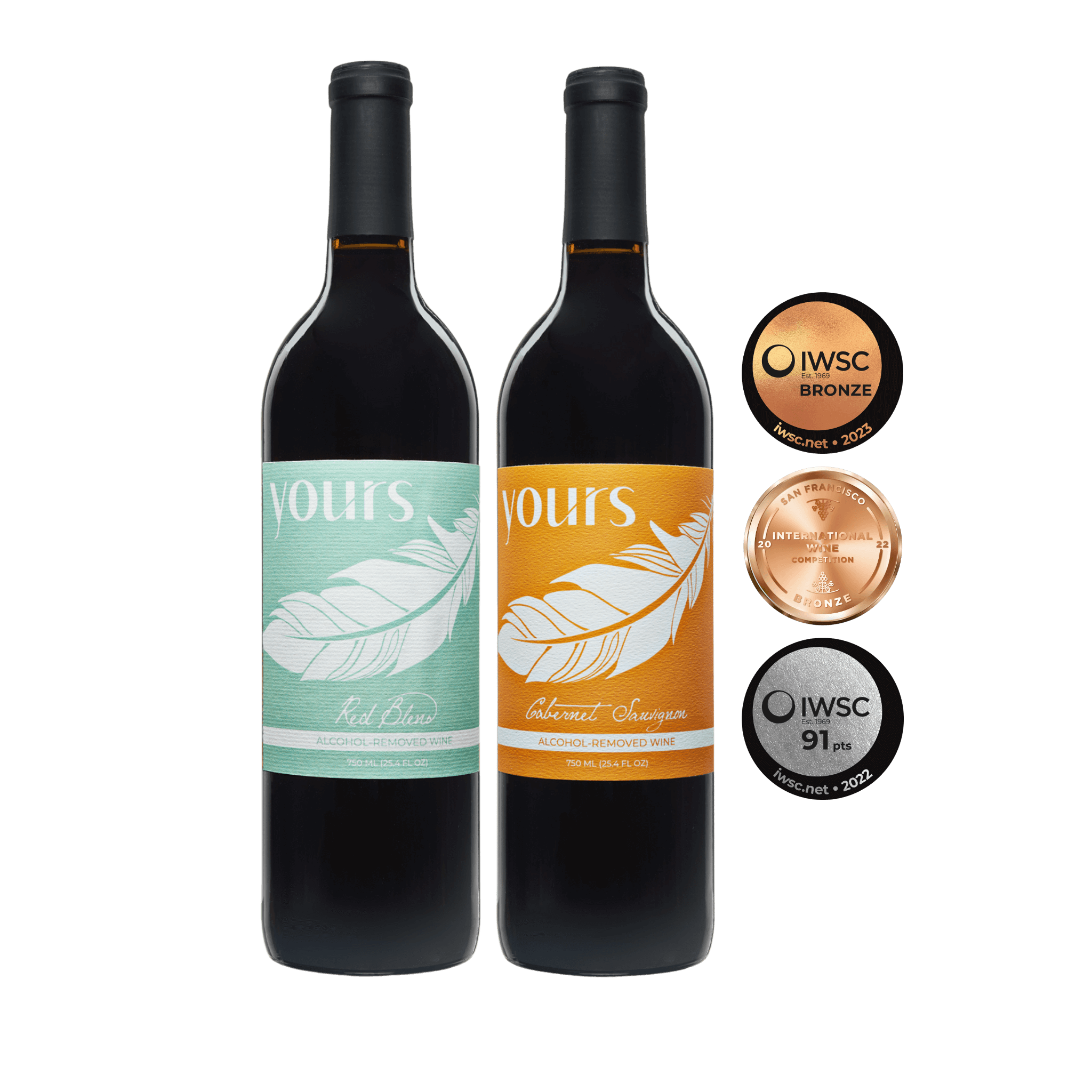
For strong non-alcoholic red blends, use a Bordeaux or large universal red wine glass. This lets the wine breathe and develop its flavors.
White Varieties and Complementary Glassware
For light non-alcoholic whites, use a smaller white wine glass. This keeps the wine cool and preserves its delicate smells. For stronger whites, use a larger white wine glass or even a small red wine glass.
Sparkling Options and Glass Selection
For most sparkling non-alcoholic wines, use a flute or tulip glass. These keep the bubbles and concentrate the smells. For fruitier sparkling wines, you might like a wider glass.
Remember, pairing non-alcoholic wines with food is similar to pairing regular wines. The right glass can make these pairings even better by highlighting the wine's best qualities.
Conclusion: Making Your Non-Alcoholic Wine Experience Better
Choosing the right glasses for your non-alcoholic wines can make them taste even better. It helps you enjoy all the flavors and smells that the winemakers worked hard to create. The right glass can turn a simple drink into a fancy tasting experience.
Remember, the most important thing is to enjoy your non-alcoholic wine. While the right glass can make it better, don't let that stop you from enjoying your favorite non-alcoholic wine, even if you're drinking it from a regular cup! The best part of non-alcoholic wine is the moments it helps create and the people you share it with.
As you try different non-alcoholic wines, experiment with different glasses to find what you like best. Your perfect non-alcoholic wine and glass combination is out there waiting for you to discover it. Whether you're having a dinner party, celebrating something special, or just relaxing after a long day, the right glass can make your non-alcoholic wine experience even better. Cheers to your alcohol-free wine journey!

Choose the vessel
The best glass for non-alcoholic wine is clean, comfortable, and suited to the moment. A stemmed wine glass gives aroma room and limits hand warming. A tumbler is stable outdoors. A coupe looks celebratory but exposes more surface area. None makes a weak bottle great; the right vessel simply helps a good pour show up well.
Stem, tumbler, or coupe?
Choose a stem for the table
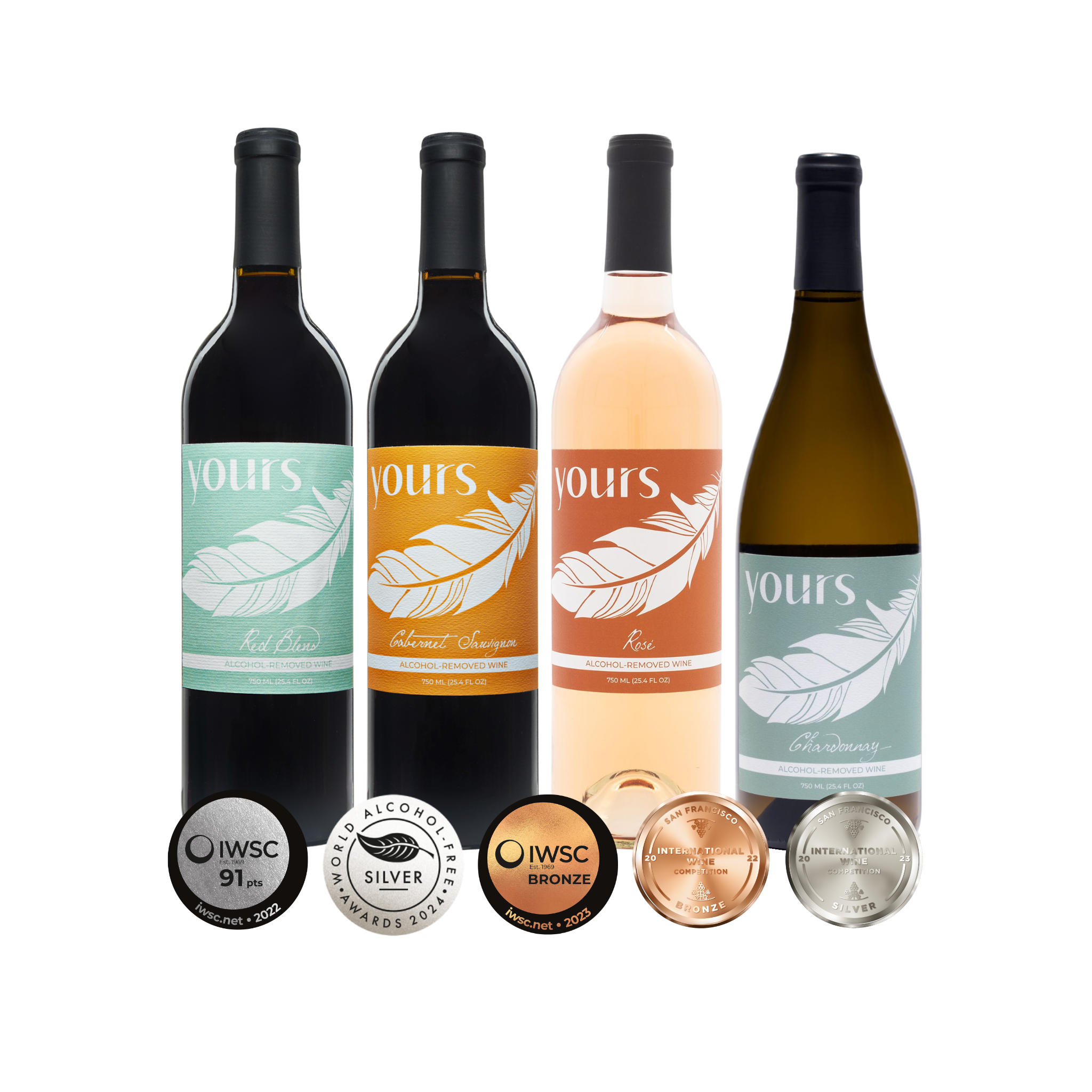
A clear, thin-rimmed wine glass is the most versatile choice for dinner. The bowl leaves room to swirl and smell. Holding the stem keeps warm hands away from a chilled white. You do not need varietal-specific crystal; a medium universal wine glass works across the YOURS range.
Choose a tumbler for relaxed or outdoor moments
Stemless glasses are steady on picnic tables, porch rails, and crowded craft tables. They are easy to store and less likely to tip. The tradeoff is hand warmth. Pour smaller amounts and refill rather than filling a large tumbler to the rim.
Choose a coupe for style, not temperature control
A coupe creates a broad, theatrical presentation. Its open shape also warms a chilled pour faster and can make swirling awkward. Use it for a short toast or a composed tablescape, then choose a wine glass when aroma and a slower pour matter more.
What condensation tells you
Condensation appears when a cold glass cools surrounding humid air enough for moisture to collect. It tells you the glass is colder than the room; it does not reveal the wine’s exact temperature or quality. Outdoors, a heavily sweating glass will warm quickly. Use a coaster, pour less, and keep the bottle chilled between pours.
A double-walled tumbler can slow warming but hides some of the wine’s color. An insulated opaque cup is useful for a hike or ferry deck where breakage matters. At a dining table, clear glass supports the visual part of tasting. Choose for context, not status.
Handmade cup or wine glass?
A handmade ceramic cup brings texture and personality to a gathering. It is lovely for a mending circle, pottery night, or harvest-share table. It also hides color and may have a thicker rim. If the purpose is careful tasting, use a clear wine glass. If the purpose is warmth and connection, a food-safe handmade cup can be exactly right.
Before serving, confirm that handmade ceramics are food-safe and free of chips or cracks. Avoid using decorative vessels that were not made for beverages. Craft is part of the ritual; safety is part of hospitality.
How glass shape changes the experience
Shape influences practical things: how much surface area is exposed, how easily you can smell the wine, how quickly it warms, and where the rim sits against the mouth. These effects are subtle and personal. Claims that one glass sends wine to a precise “tongue zone” overstate what glassware can do.
A simple four-glass cupboard
- Four universal stemmed wine glasses for meals and tasting.
- Four stable tumblers for patios and casual gatherings.
- Two coupes for short celebratory pours.
- Two insulated, shatter-resistant cups for travel and outdoor settings.
That small set covers most situations without turning the cupboard into a showroom.
Care matters more than price
Rinse away detergent completely. A perfumed residue can overwhelm aroma. Dry glasses with a lint-free towel and store them where kitchen odors will not settle inside the bowl. Check outdoor drinkware for scratches and replace damaged pieces.
Frequently asked questions
Does glass shape matter for non-alcoholic wine?
It can influence aroma access, warming, and comfort, but it does not transform the wine. A clean universal wine glass is enough for most pours.
Can I use a stemless glass?
Yes. Stemless glasses are stable and casual. Pour smaller servings if you want the wine to stay cool.
What is the best glass for outdoor wine?
Use a stable, shatter-resistant tumbler where glass is unsafe or prohibited. Check venue rules before packing.
Is a coupe good for still wine?
It works for presentation and short toasts, though a standard wine glass is better for slower tasting and temperature control.
Can I serve wine in handmade pottery?
Yes, if the vessel is food-safe, intact, and comfortable to drink from. Clear glass remains better for examining color.
Set the bottle label-forward. Choose the vessel that fits the moment. Then pour it properly and let the wine do the rest.