Non-Alcoholic Wine Serving Temperature: A Practical Guide
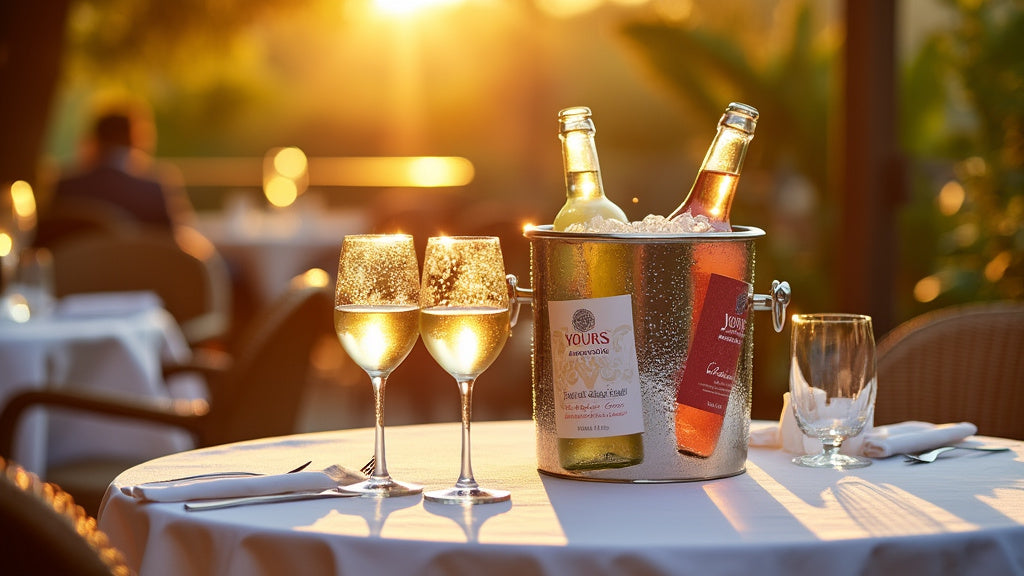
Serving wine at the right temperature can make a big difference in how it tastes. This is true for both regular wines and non-alcoholic wines like YOURS. Let's look at the best temperatures for serving YOURS Non-Alcoholic Wines to enjoy them the most.
Key Points for Serving YOURS Non-Alcoholic Wines
- Serve Red Blend at 55-60°F (13-15°C)
- Serve Chardonnay at 48-55°F (9-13°C)
- Serve Rosé at 44-55°F (7-13°C)
- Proper temperature enhances flavor and aroma
- Adjust based on preference and wine style
Understanding YOURS Non-Alcoholic Wines
YOURS offers non-alcoholic wines that taste like regular wine, but without the alcohol. Their collection includes red, white, and rosé options for any occasion. These wines are made carefully to give you all the flavor without the alcohol.
Non-alcoholic wines are getting more popular. The non-alcoholic wine market is expected to grow to $10 billion by 2027. This shows that more people want tasty alternatives to regular wine. YOURS Non-Alcoholic Wines meet this need by providing good-tasting options for different events.
General Guidelines for Serving Non-Alcoholic Wines
Even though YOURS wines don't have alcohol, serving them at the right temperature is still important. The temperature can change how the wine smells and tastes. Here are some general rules:
- Serve YOURS Non-Alcoholic Red Blend at 55-60°F (13-15°C)
- Serve YOURS Non-Alcoholic Chardonnay at 48-55°F (9-13°C)
- Serve YOURS Non-Alcoholic Rosé at 44-55°F (7-13°C)
- Proper serving temperature makes the flavor and smell better
- Change the temperature based on what you like and the type of wine
These guidelines help you enjoy all the flavors and smells that YOURS Non-Alcoholic Wines offer. The right temperature can bring out the subtle tastes in each wine, making it more enjoyable.
Ideal Temperature for YOURS Non-Alcoholic Red Blend
The YOURS Non-Alcoholic Red Blend tastes best when it's slightly cool, between 55-60°F (13-15°C). This temperature helps bring out the rich flavors of the wine without making it too warm.

To get this temperature, take the Red Blend out of the fridge about 15-20 minutes before you want to drink it. This will let it warm up a bit and taste its best. The slight chill helps to bring out the wine's fruity flavors while keeping its structure and depth. If it's too warm, the Red Blend might lose some of its complex taste and seem flatter.
Serving YOURS Non-Alcoholic Chardonnay
For the YOURS Non-Alcoholic Chardonnay, aim for a temperature between 48-55°F (9-13°C). This is cooler than the red blend but not as cold as your refrigerator.
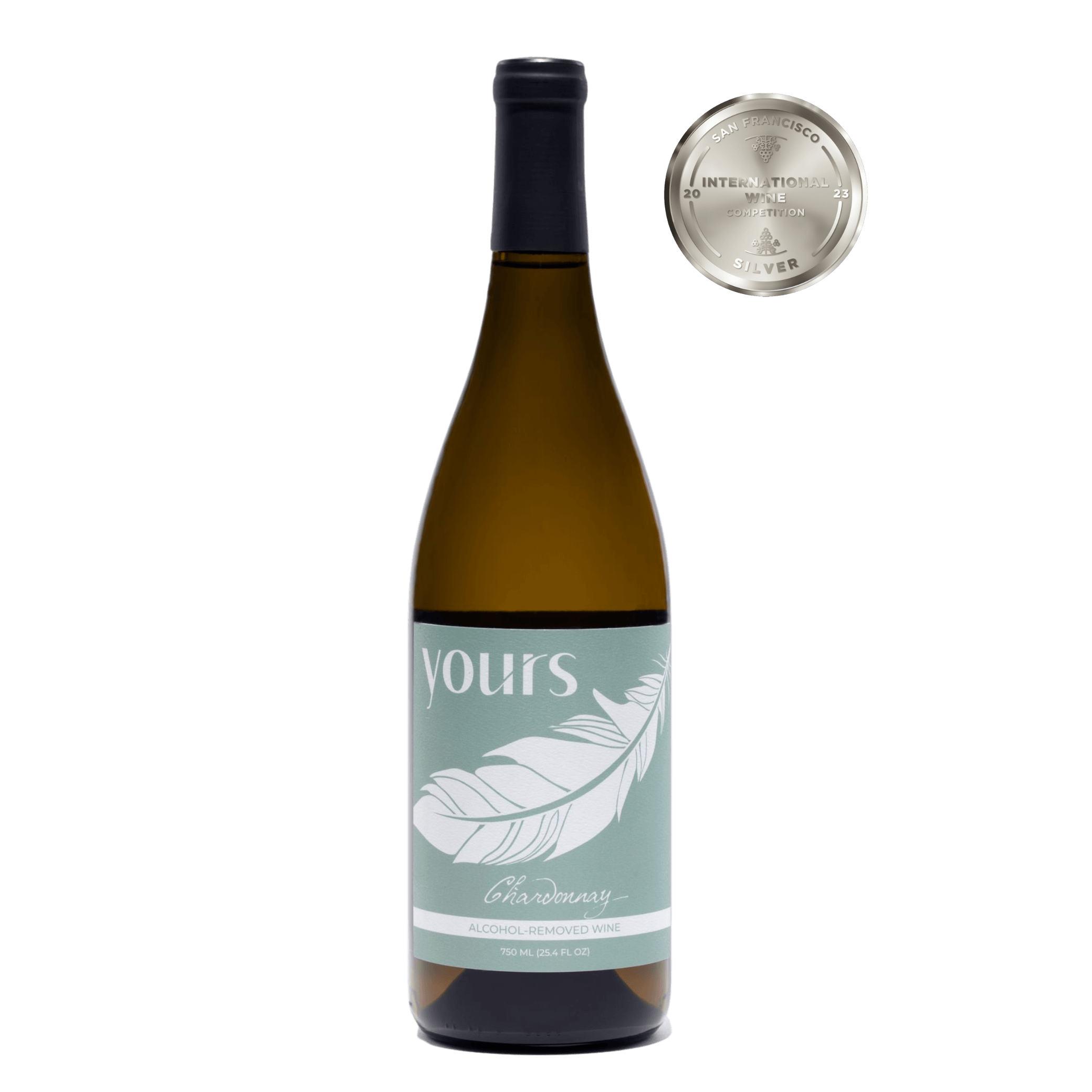
To get this temperature, take the Chardonnay out of the fridge about 10 minutes before serving. This will help bring out the wine's fruity flavors and smooth taste. The cooler temperature makes the Chardonnay crisp while letting its buttery flavors (if it has them) come through. If it's too cold, you might miss some of the delicate flavors that make YOURS Non-Alcoholic Chardonnay special.
Perfect Temperature for YOURS Non-Alcoholic Rosé
The YOURS Non-Alcoholic Rosé is best when it's nice and cool, between 44-55°F (7-13°C). This cooler temperature helps keep the rosé refreshing and crisp.
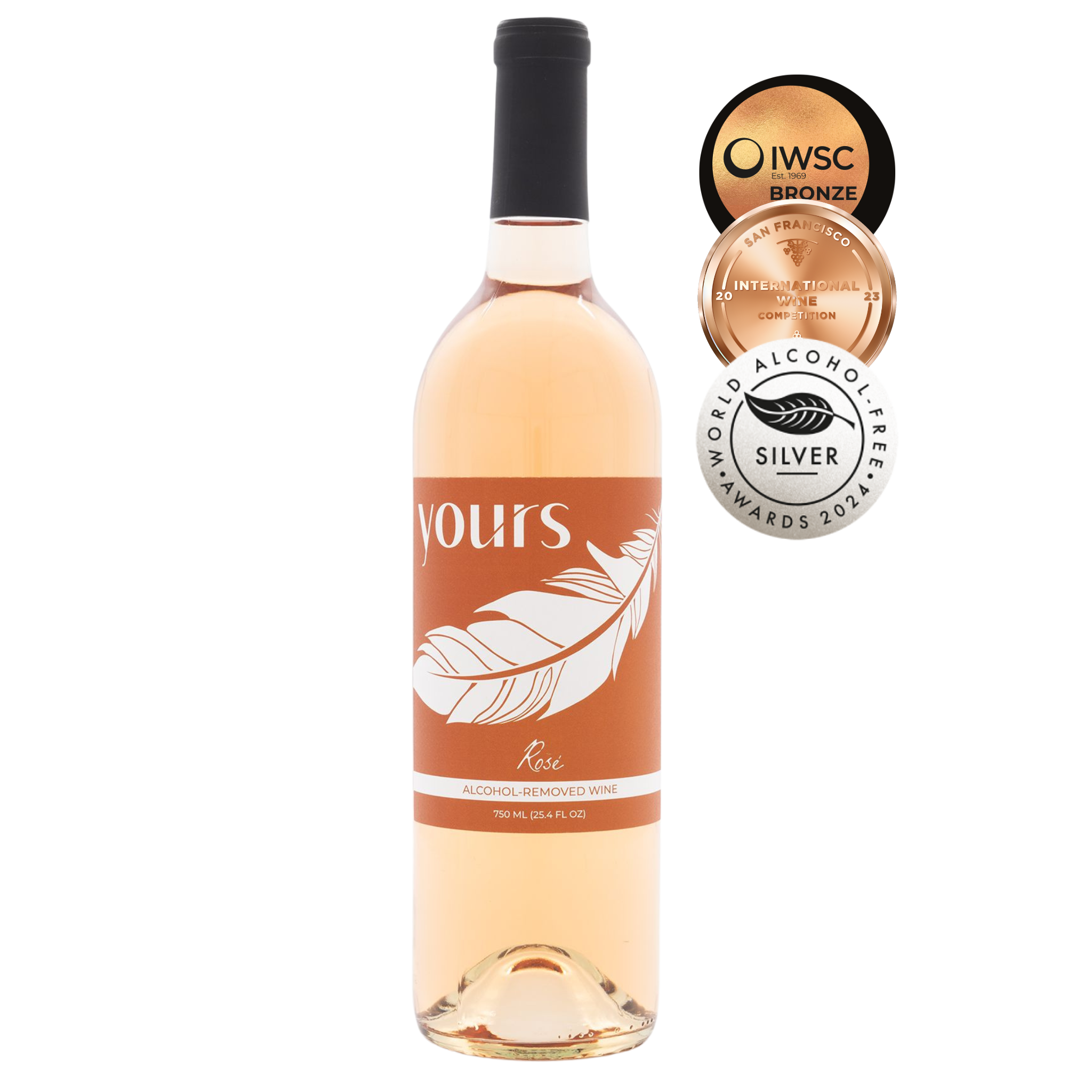
You can serve the rosé straight from the fridge or let it sit out for just a few minutes if you like it a little less cold. The cooler temperature makes the wine more refreshing, perfect for warm weather or as a drink before meals. As the rosé warms up a bit in the glass, you might notice its flavors changing, giving you a interesting tasting experience.
Temperature Adjustments for Personal Preference
Everyone likes their wine differently, so feel free to try different temperatures to find what you like best. If you want your wine a bit warmer, just let it sit out longer. If you want it cooler, put it back in the fridge for a few minutes.
Remember, it's easier to warm up a cold wine than to cool down a warm one. So, start cooler and let it warm up if needed. This way, you can see how the flavors of YOURS Non-Alcoholic Wines change as they warm up, helping you find the temperature you like best.
Serving YOURS Non-Alcoholic Wines for Special Occasions
When you're having a party or a special dinner, serving your YOURS wines at the right temperature can make the event even better. Here are some tips:
- For outdoor events in warm weather, keep your wines in a cooler with ice to keep them at the right temperature.
- If you're serving different types of YOURS wines, you might want to use an ice bucket for the Chardonnay and Rosé, while letting the Red Blend sit out.
- For a fun tasting experience, try serving the same wine at different temperatures to see how it changes the taste.
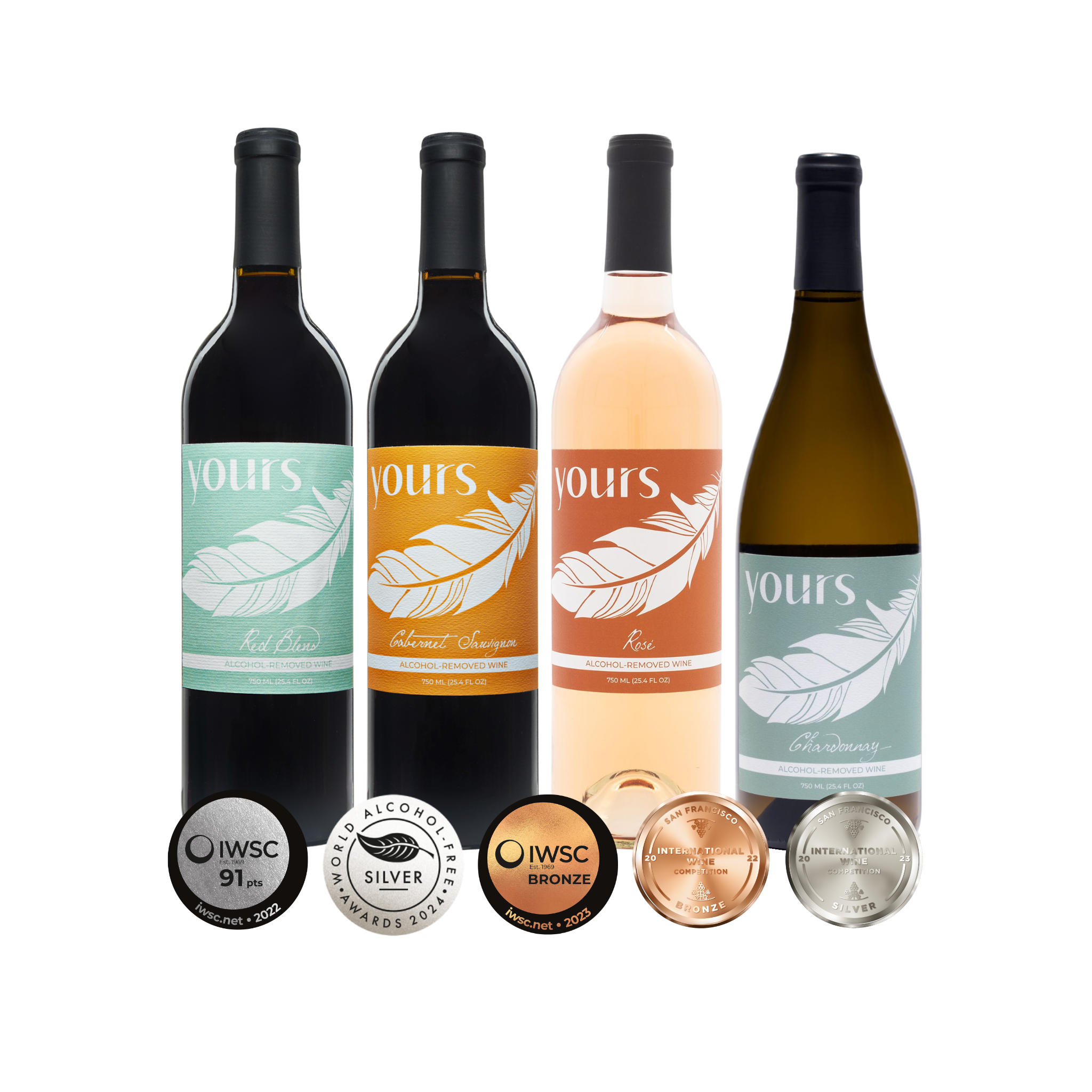
If you're not sure which YOURS wine to try first, consider getting a sampler pack. This way, you can try different temperatures for each type of wine and find out what you like best.
Storing YOURS Non-Alcoholic Wines
Storing your wines properly is important to keep them tasting great. Here are some tips:
- Store your wines in a cool, dark place.
- Keep them away from direct sunlight and heat.
- For short-term storage (a few days to a week), you can keep them in the refrigerator.
- For longer storage, a cool pantry or cellar works well.
By storing your wines properly, you'll make sure they're ready to be served at the perfect temperature whenever you want to enjoy them. Good storage also helps keep the quality and flavor of YOURS Non-Alcoholic Wines over time, so each bottle tastes as good as when you bought it.
How Temperature Affects Flavor
Understanding how temperature changes the taste of YOURS Non-Alcoholic Wines can help you enjoy them more:
- Cooler temperatures make wines taste more refreshing and crisp.
- Warmer temperatures bring out the fruity and aromatic qualities of the wine, making them seem fuller.
- Serving temperatures can change how sweet the wine tastes, with cooler wines tasting less sweet than warmer ones.
Trying different serving temperatures can help you discover new tastes in your favorite YOURS Non-Alcoholic Wines, giving you a richer experience.
Conclusion: Enjoying Your YOURS Non-Alcoholic Wine
Serving YOURS Non-Alcoholic Wines at the right temperature can make them taste much better. Remember these key points:
- Red Blend: 55-60°F (13-15°C)
- Chardonnay: 48-55°F (9-13°C)
- Rosé: 44-55°F (7-13°C)
Don't be afraid to try different temperatures to find what you like best. And remember, YOURS Non-Alcoholic Wines give you all the flavor of regular wine without the alcohol, making them great for any occasion.
Want to try YOURS Non-Alcoholic Wines yourself? Check out their full collection and start enjoying tasty wines without the alcohol.
For more tips on enjoying non-alcoholic wines, check out these helpful articles:
- How to Host an Epic Non-Alcoholic Wine Tasting Party
- The Ultimate Guide to Pairing Non-Alcoholic Wines with Food
- Top 5 Non-Alcoholic Wines for Heart Health
By paying attention to serving temperatures and trying different YOURS Non-Alcoholic Wines, you can have a better non-alcoholic wine experience and find new favorites. Whether you're having a party, enjoying a quiet evening at home, or looking for a healthier option instead of regular wines, YOURS has choices for every taste and occasion. Cheers to enjoying YOURS Non-Alcoholic Wines at their best!
Serve it better
Non-alcoholic wine should be served by wine style, not simply “cold” or “room temperature.” Chill bright whites thoroughly, let fuller whites warm slightly in the glass, and serve structured reds cool rather than refrigerator-cold. Temperature changes what you notice: too cold can mute aroma and texture; too warm can make a wine feel flat.
Your summer fridge has zones
The coldest shelf is not automatically the best shelf for every bottle. A refrigerator door changes temperature whenever it opens, while the back of a lower shelf may run considerably colder. Keep unopened whites in a stable, cool section. Move a bottle forward before serving if it has become icy-cold.
Sauvignon Blanc benefits from a firm chill because cool service emphasizes freshness. Chardonnay often shows more aroma and texture after a few minutes out of the refrigerator. Reds need less cooling. If your kitchen is warm, a short stay in the refrigerator can bring a red closer to a comfortable cellar-like feel without stripping away its character.
Organize by use: ready-to-pour whites on one shelf, backup bottles behind them, water below, and opened bottles clearly dated. Refrigerate opened wine and follow the producer’s freshness guidance. Temperature helps preserve an opened bottle, but it does not stop oxidation.
The 20-minute chill plan
When a white bottle is warm and guests are arriving, an ice-water bath works faster than ice alone because cold water touches more of the bottle.
- Fill a bucket or deep bowl with equal parts ice and cold water.
- Set the closed bottle into the bath, keeping the label above water when possible.
- Rotate the bottle gently every few minutes.
- Begin checking at 15 minutes. Remove it when it feels evenly cold.
- Dry the bottle before opening and taste the first pour before returning it to ice.
Timing varies with starting temperature, ice quantity, vessel size, and refrigerator conditions. Treat “20 minutes” as a planning cue, not a laboratory guarantee. Never put a sealed glass bottle in the freezer and forget it; freezing liquid can expand and damage the bottle.
Yes, red can take a little chill
“Room temperature” comes from a time when rooms were cooler. In a warm summer home, a red bottle can benefit from a brief refrigerator rest. The aim is slightly cool, not cold.
Start with 15 to 25 minutes in the refrigerator, then pour a small taste. If aromas feel quiet and the texture seems sharper than expected, let the glass warm. Cabernet Sauvignon is structured and can become more astringent when overchilled, so use restraint. A softer Red Blend may tolerate a little more cooling, but the bottle’s actual profile matters more than the label category.
Use the glass as a temperature tool
A wine warms after it is poured. That is useful. Serve a Chardonnay a touch cooler than your ideal and notice how it opens over ten minutes. Use a stem if you want to reduce hand warmth; use a tumbler outdoors when stability matters more. Condensation tells you the glass is colder than the surrounding air, not that the wine has reached one exact temperature.
Common serving mistakes
- Serving every white ice-cold: extreme cold can hide aroma and texture.
- Leaving red beside a hot stove: a warm room is not a cellar.
- Using ice cubes in the wine: melting ice dilutes the pour. Chill the bottle instead.
- Trusting a timer without tasting: appliances and rooms differ.
- Leaving opened wine out overnight: reclose and refrigerate it promptly.
Frequently asked questions
Should non-alcoholic wine be refrigerated?
Chill white non-alcoholic wine before serving and refrigerate opened bottles. Reds can be stored cool and given a brief chill when the room is warm.
Can non-alcoholic red wine be chilled?
Yes, slightly. Avoid serving a structured red refrigerator-cold; begin with a brief chill and let taste guide you.
How can I chill wine quickly?
Place the closed bottle in an ice-water bath, rotate gently, and begin checking after about 15 minutes.
Can I put a bottle in the freezer?
A short, closely monitored freezer stay is sometimes used, but an ice-water bath is safer and more even. A forgotten sealed bottle can freeze and break.
Why does wine taste different as it warms?
Temperature changes how readily aromas are perceived and how acidity, sweetness, and texture feel. A cool wine may become more expressive after several minutes in the glass.
Chill with intention, then taste. The best serving temperature is the point where the bottle’s balance, aroma, and texture show clearly.