Non-Alcoholic Wine in Pregnancy: 12 Label Checks
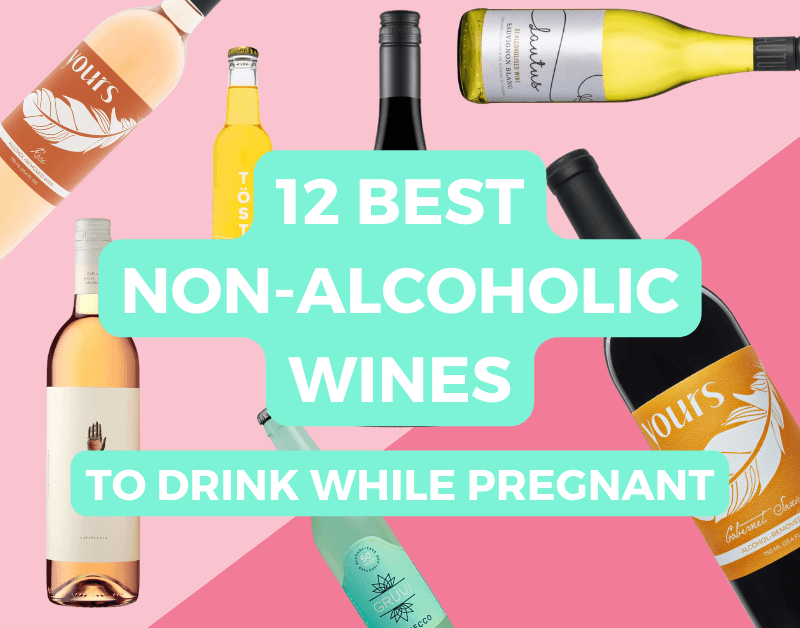
Non-alcoholic wine can contain trace alcohol. During pregnancy, a product ranking cannot establish safety. The CDC advises avoiding alcohol during pregnancy because no safe amount or safe time has been established.
This page previously listed wines to drink while pregnant. We have replaced that recommendation with a label checklist. YOURS wines contain less than 0.5% alcohol by volume and should not be presented as pregnancy-safe.
Reviewed September 12, 2026. Use these checks to gather product information for your obstetric clinician. For the main guidance, read non-alcoholic wine and pregnancy safety.
What to check on a non-alcoholic wine label
- The exact product name. Note the producer, wine style, and bottle size. Similar names can refer to different products.
- The alcohol statement. Read both the front and back labels. Copy the full wording, including “less than” where it appears.
- The meaning of ABV. ABV means alcohol by volume. A statement of less than 0.5% ABV does not mean zero alcohol.
- “Non-alcoholic” versus “alcohol-free.” FDA guidance for dealcoholized wine distinguishes the terms. Alcohol-free is reserved for products with no detectable alcohol.
- A 0.0% claim. Check the producer's full alcohol statement rather than drawing a conclusion from a large number on the front label. Ask the producer to clarify any difference.
- The ingredient list. Read the complete list for the bottle you have. Wine alternatives can contain different juices, flavors, sweeteners, or botanical ingredients.
- The serving size. Record the amount next to each nutrition figure. A 3.4 oz serving and a 5 oz serving are different amounts.
- Total sugar and added sugar. These are separate facts. A no-added-sugar statement does not mean a drink contains no sugar.
- Allergen information. Check the bottle for the ingredients and allergen statements relevant to you. Take any question to your clinician or the producer.
- The source date. Product formulas and labels can change. A current bottle or producer response is more useful than an old shopping list.
- Every ingredient in a mixed drink. A mocktail name does not tell you the alcohol content of its wine, spirit alternative, bitters, or other components. Ask for the ingredient list.
- Your clinician's advice. Bring the product name and label to your appointment. A store, review, or customer testimonial cannot assess your pregnancy.
YOURS product facts
The current YOURS product information states less than 0.5% alcohol by volume. Nutrition and serving sizes differ between wines. Our product nutrition comparison keeps each value with its serving size. These facts describe the product; they do not establish pregnancy safety.
Questions to take to your appointment
- How should I handle a drink that lists trace alcohol?
- Are any other ingredients on this label relevant to my care?
- If I already drank this product, what information should I provide?
If you consumed alcohol before learning you were pregnant, stop alcohol use and discuss what you drank with your obstetric clinician. Read the CDC's advice for this situation.
Frequently asked questions
What is the best non-alcoholic wine for pregnancy?
A taste ranking cannot establish pregnancy safety. Non-alcoholic wines may contain trace alcohol. Follow CDC guidance to avoid alcohol and ask your obstetric clinician about any specific product.
Is YOURS alcohol-free?
YOURS wines are dealcoholized or alcohol-removed and contain less than 0.5% alcohol by volume. They should not be described as alcohol-free or pregnancy-safe.
Does no added sugar mean no sugar?
No. Check the total sugar value and the stated serving size separately from any no-added-sugar claim.
Where can I read the main safety guidance?
Start with the CDC's alcohol and pregnancy guidance and your obstetric clinician. Our pregnancy safety page links to official sources and explains the label terms.